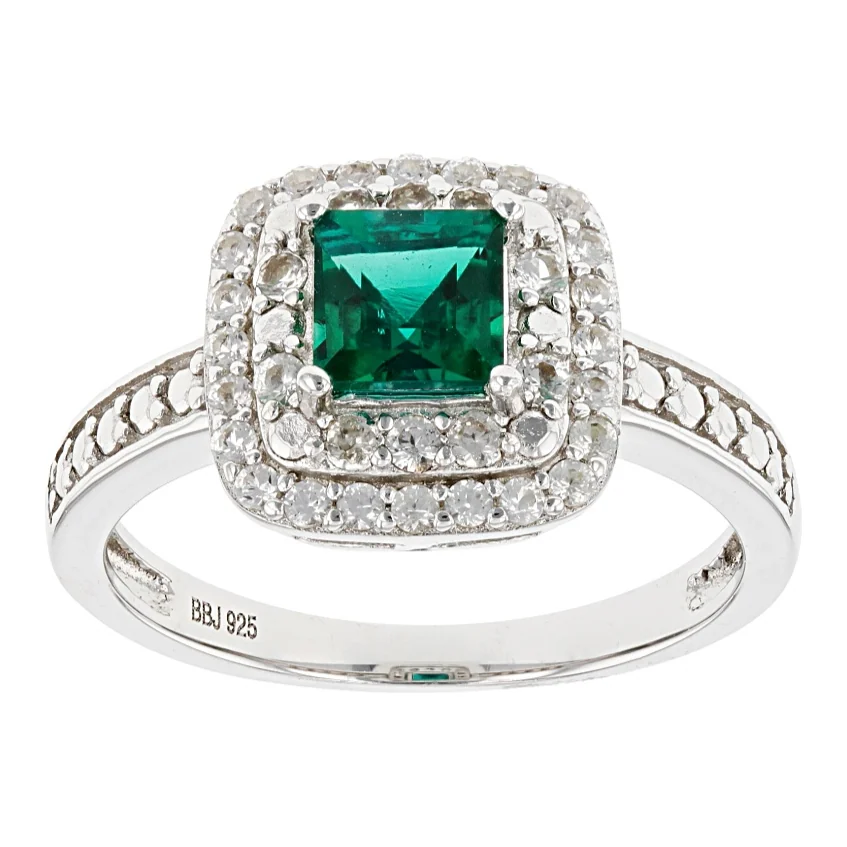
Authentic materials
What the invoice says is what the parcel contains. Metal is assayed, stones are identified, and nothing is described optimistically.


Our process
What actually happens between the day you send a sketch and the day a carton arrives, including the parts most manufacturers would rather not describe.
Concept to carton
Drag the track. Every stage below happens in Jaipur, under the same roof and the same supervisor, which is the only reason we can promise a date and mean it.
A brief becomes a direction. We argue about proportion, wearability and price band before anything is drawn properly.
Hand drawing goes to parametric CAD. You get turntable renders and a stone plot to sign off before wax is cut.
Resin print, cast, and a first article finished to production standard — the piece you approve is the piece you receive.
Parcels are pulled, laid out under standard light and matched across the run for colour, cut and depth.
Casting, filing, setting and assembly. Work is batched by operation so a run stays consistent piece to piece.
Pre-polish, setting-back, final polish and plating. The stage that separates a good casting from a finished jewel.
Six gates, ten-power loupe, weight and dimension logged against the approved article. Failures return to bench, not to you.
Individually pouched, boxed to your specification, and carton-packed with a manifest that matches the invoice line for line.
Insured and documented to your door — customs paperwork, assay certificates and lab reports travelling with the goods.
Gates
Inspection is not a stage at the end. It sits between every pair of operations, and the person holding the loupe does not report to the person running production. That separation is the entire mechanism.
You see the record. Photographs at each gate go into a shared tracker against your order number, so you can watch a run progress without emailing anyone to ask.
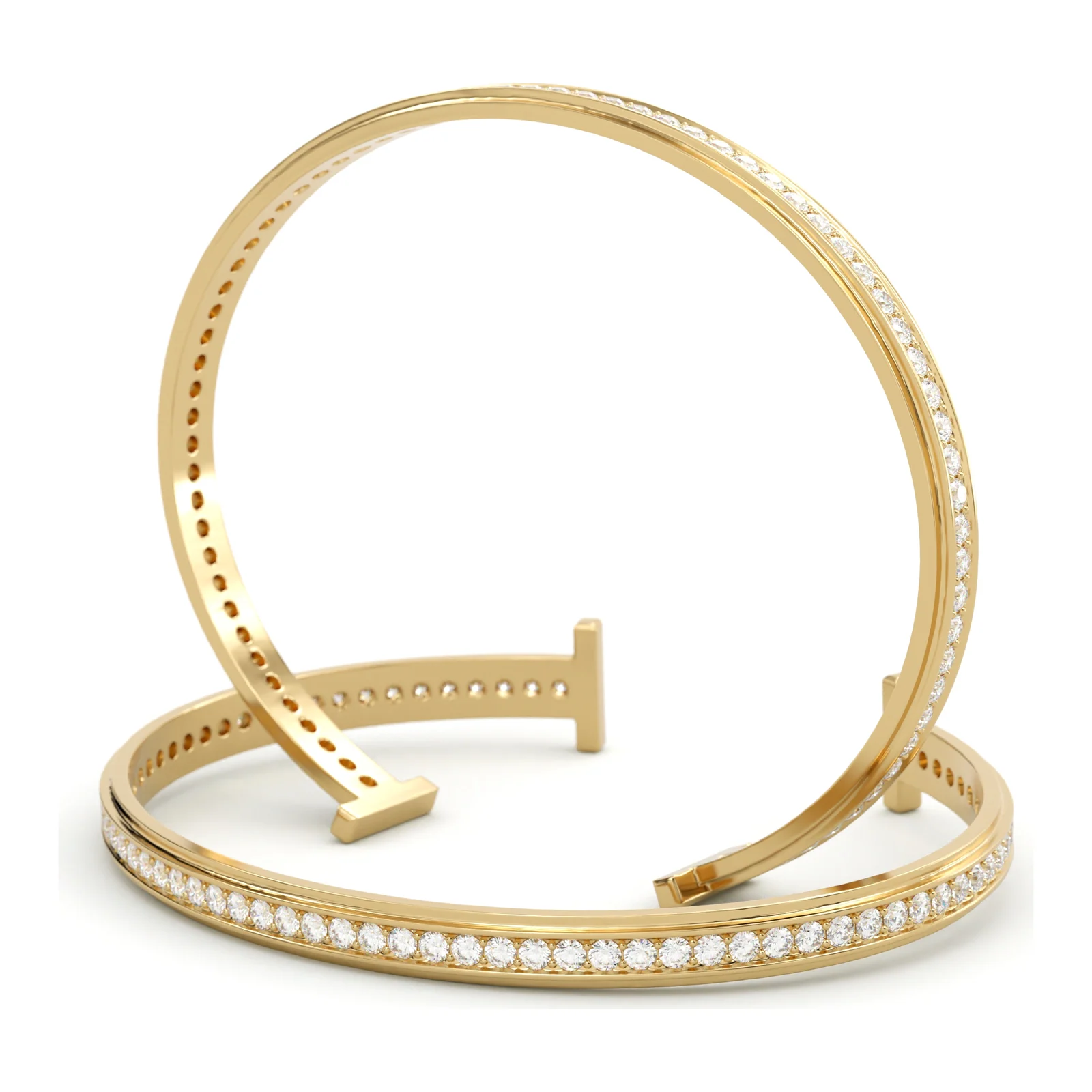
Assurance
Quality control that reports separately from production, because an inspector who answers to the person whose numbers he is checking is not an inspector.
What the invoice says is what the parcel contains. Metal is assayed, stones are identified, and nothing is described optimistically.
Qualifying stones ship with IGI, GIA or GJEPC paperwork. Below the certification threshold we issue our own signed identification.
Wax, casting, pre-set, post-set, finish and pack. Each gate is signed, and a rejection goes back to bench with the reason attached.
Recycled metal as the default feedstock, closed-loop polishing sludge recovery, and no child or bonded labour anywhere in the chain.
Kimberley-compliant rough, named cutting houses, and a supplier list we will show you rather than describe.
A shared production tracker with photographs at each gate. You can see where your order stands without asking for an update.
Quoted lead times carry a stated confidence, and if a date is going to slip you hear it from us before it does.
Typical timings
Working days from a clear brief, assuming stones are in-house. We quote a confidence level alongside every date and tell you before it slips, not after.
3–5 days
10–14 days
2–7 days
18–30 days
3–5 days
2–4 days
4–8 days
1–3 days
3–6 days
12–20 days
Nine stages later
The same nine stages, whether it is one sample or a two-thousand-piece run.
Begin
Send a sketch, a reference photograph or a paragraph describing what you have in mind. You will get a costed, itemised response from a person who has read it — usually inside two working days.