More coloured stone passes through this city than anywhere else on earth. Our buyers have worked this market for decades, which mostly means they know who not to buy from.
Held, not brokered
A working library of 250 varieties
There is a real difference between a supplier who can source a stone and one who has it in a drawer. When you ask whether a design works in London blue topaz instead of Swiss, we can lay both out under standard light the same afternoon and photograph them next to each other.
Calibrated goods are matched across the run before cutting begins, so the fortieth piece reads the same as the first. For free-size and statement stones we will hunt, and we will show you what we find rather than describing it.
Ten material families we hold, cut, alloy or grade ourselves rather than broker. Each is described here as we would describe it to you on the phone — what it is genuinely good for, and what it costs you in exchange.
Natural gemstones
Emerald, ruby, sapphire, tourmaline, topaz, aquamarine, garnet, spinel and the long tail beyond. Ethically channelled and selected for consistency, brilliance and durability under setting — held as working parcels rather than printed in a catalogue.
Lab-grown stones
Optically and chemically identical to their mined equivalents, grown to order and traceable to the reactor. They give a programme the same beauty with far greater pricing flexibility and a stable cost across seasons.
Diamonds
Natural and CVD, D through K, IF through SI2, certified where the weight qualifies. Melee is matched inside the parcel for colour and cut so a pavé line reads as one continuous surface rather than a row of individuals.
Moissanite
Higher fire than diamond and hard enough for genuine daily wear. Cut on our own wheels to diamond tolerances, so a mount designed for one takes the other without retooling the setting.
Pearls
Akoya, freshwater, Tahitian and South Sea, graded on lustre first, then surface, then match across the strand. Drilled and knotted by hand on silk, so a strand hangs and wears the way it should.
Sterling silver
925 as standard with anti-tarnish alloys where a market asks for them. Cast fine and rigid enough to carry stones on a two-millimetre shank without flexing or losing a hallmark over years of wear.
Gold
9, 14 and 18 karat in yellow, white and rose, alloyed in-house rather than bought in. That is the only way colour stays identical between a January run and a September repeat of the same piece.
Vermeil
A genuine 2.5 micron gold layer over sterling on a nickel-free base, verified by measurement rather than judged against a colour card. Thick enough to survive a season of real wear and be worth the name.
Enamel
Hard-fired vitreous, champlevé and cold cure, colour-matched to a physical reference chip. Fired to a depth that sits flush with the metal and will not lift or chip at the shoulder.
Carved stones
Onyx, malachite, carnelian, mother-of-pearl, jade and lapis, carved and cabbed on our own lapidary wheels. Intaglio, cameo and fantasy cuts to your drawing, calibrated to the mount before it is cast.
On site
Our own lapidary bench
Recutting, calibrating, cabbing and carving happen here, twenty metres from the setters who will use the result. Cutting our own stones is what lets us hold tolerance instead of asking for it: a stone that arrives a half-millimetre too deep for the setting does not go back to the dealer and cost a fortnight — it goes to the wheel and comes back the same afternoon.
It is also the only honest way to match a run. Colour, tone and cut are corrected against each other across an entire parcel under one illuminant, by the people accountable for the finished piece, rather than accepted as whatever a third-party cutter happened to send.
Matching
Parcels laid out under standard illuminant and matched for hue, tone, saturation and cut across an entire run.
Grading
Every stone loupe-checked for inclusions that will sit under a prong or break during setting.
Recutting
Depth correction, window removal and recalibration on our own wheels, usually same-day.
Certification
IGI, GIA and GJEPC arranged for qualifying stones; signed in-house identification below the threshold.
Substitutes
Moissanite, CZ and lab corundum cut to identical tolerances so settings interchange without retooling.
Provenance
Named cutting houses and Kimberley-compliant rough, with a supplier list we will show you.
From the stone room
Colour, cut and consequence
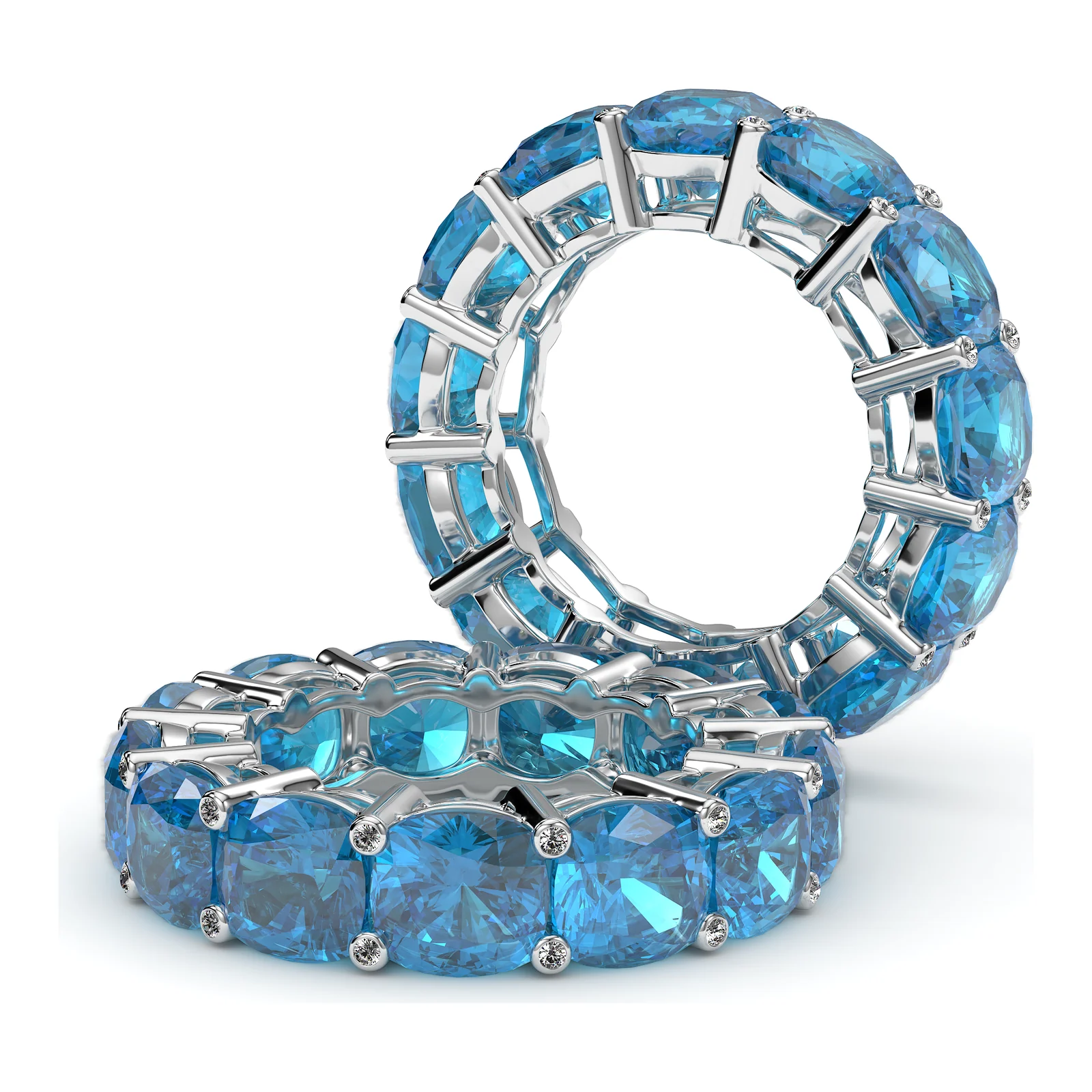
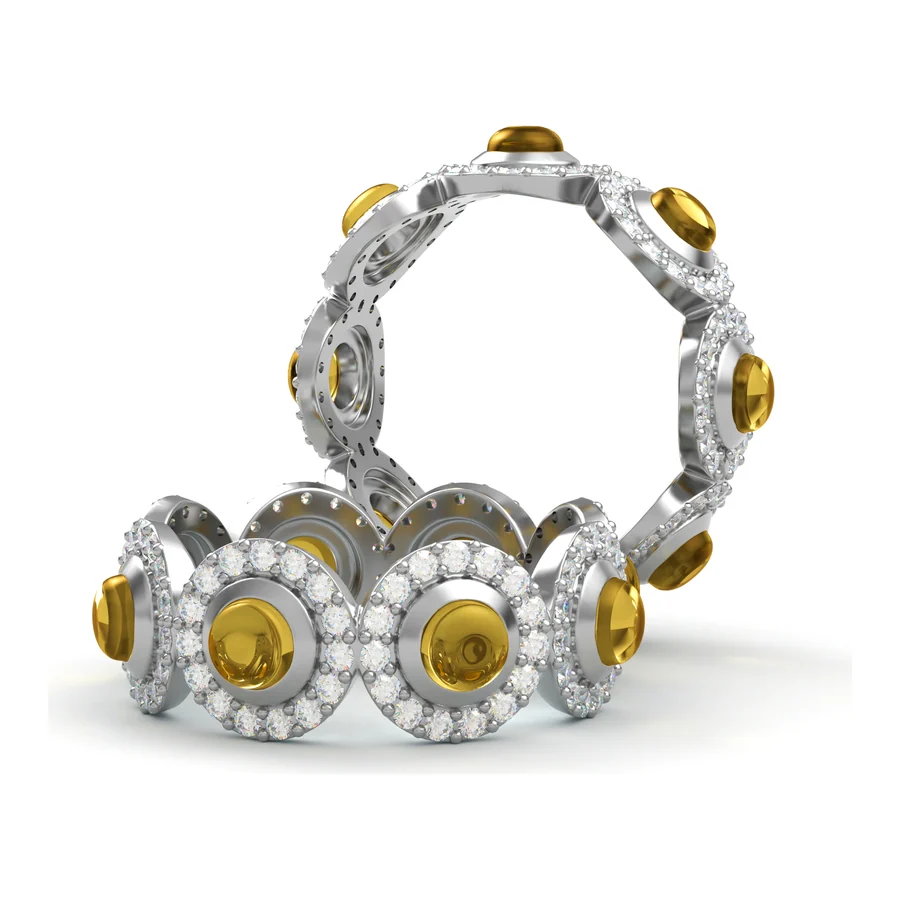
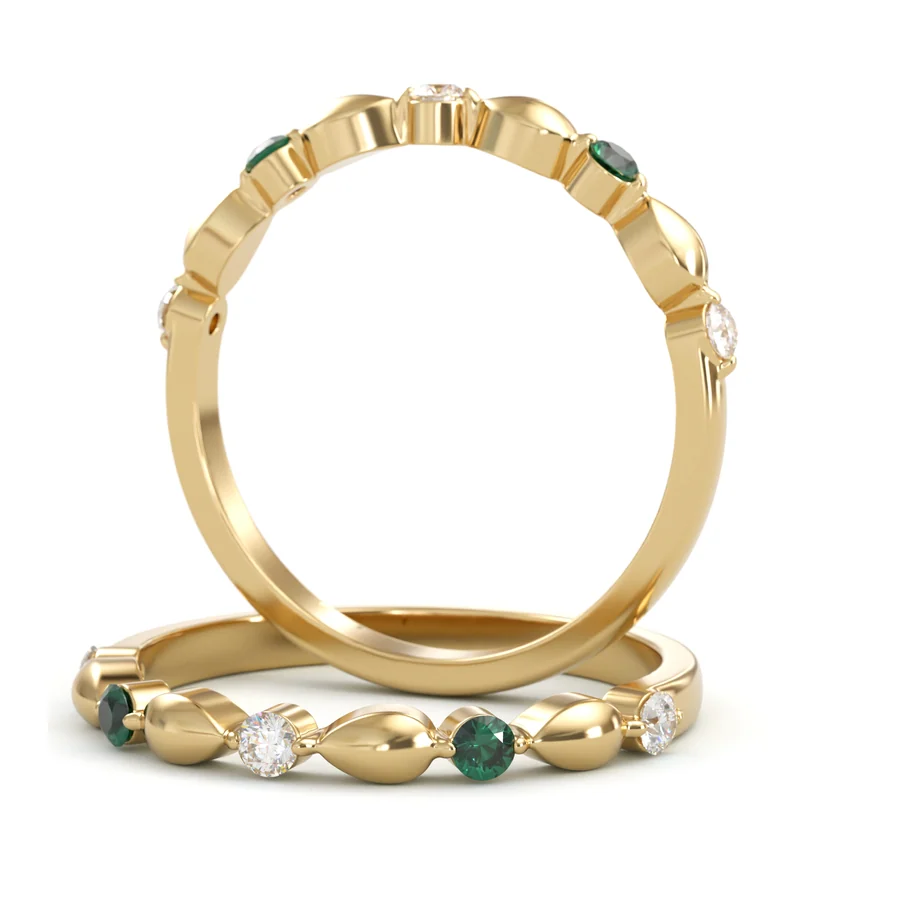
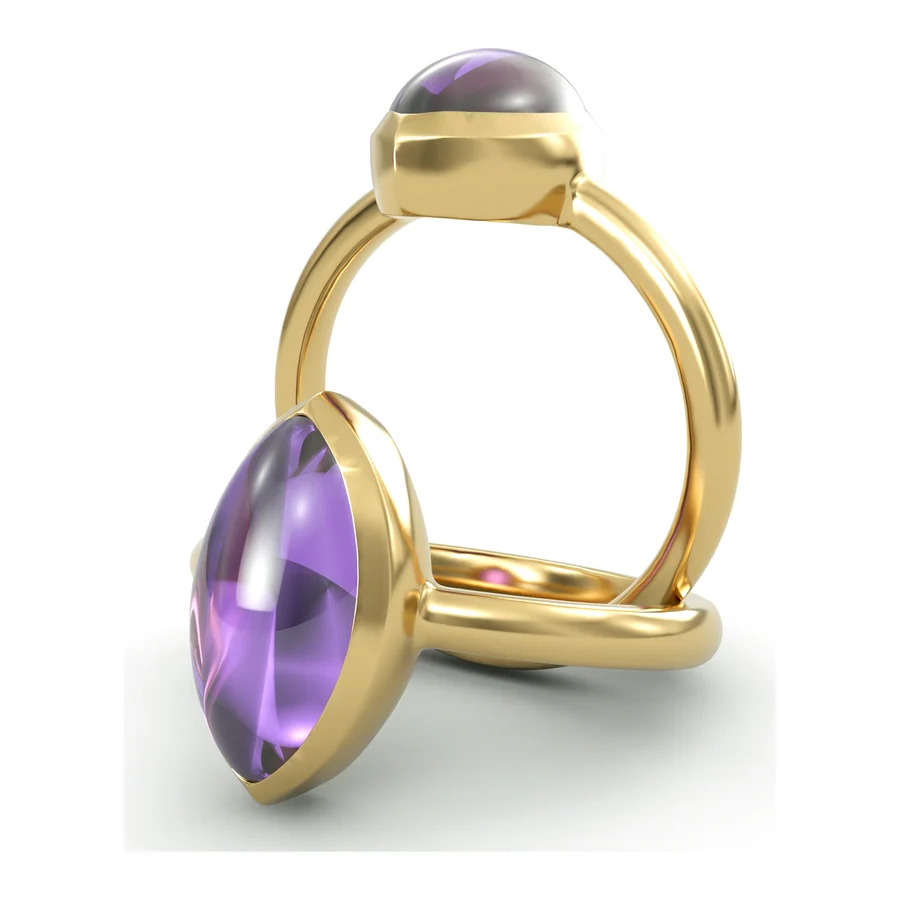
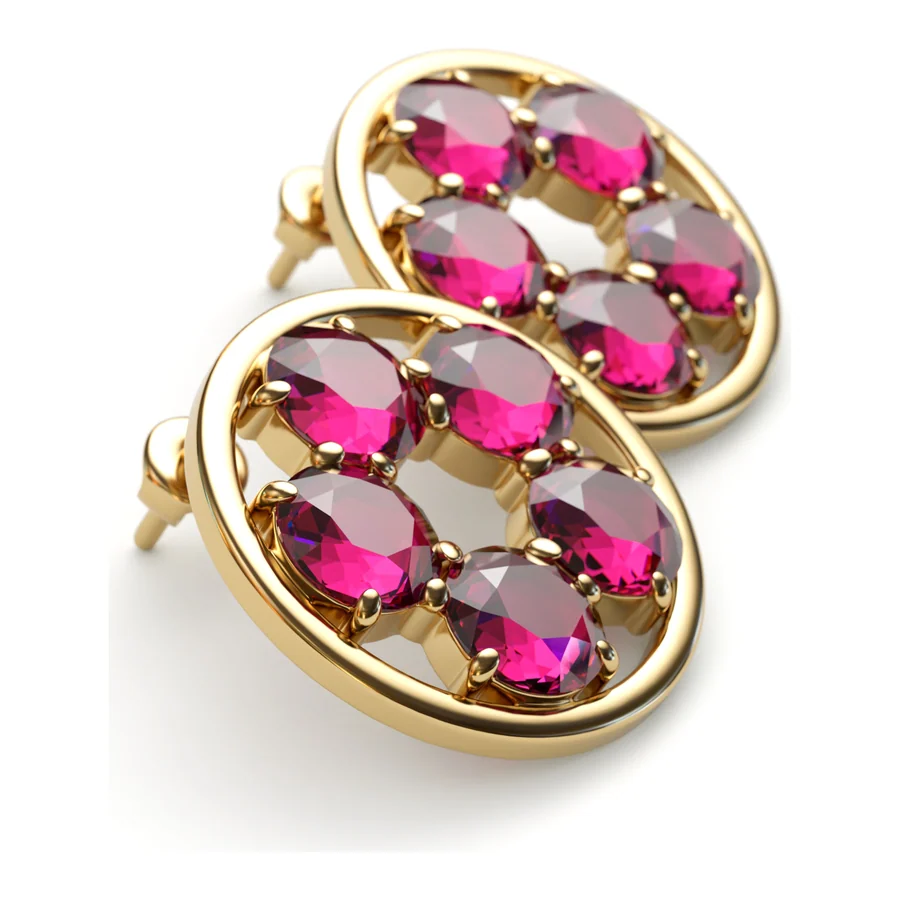
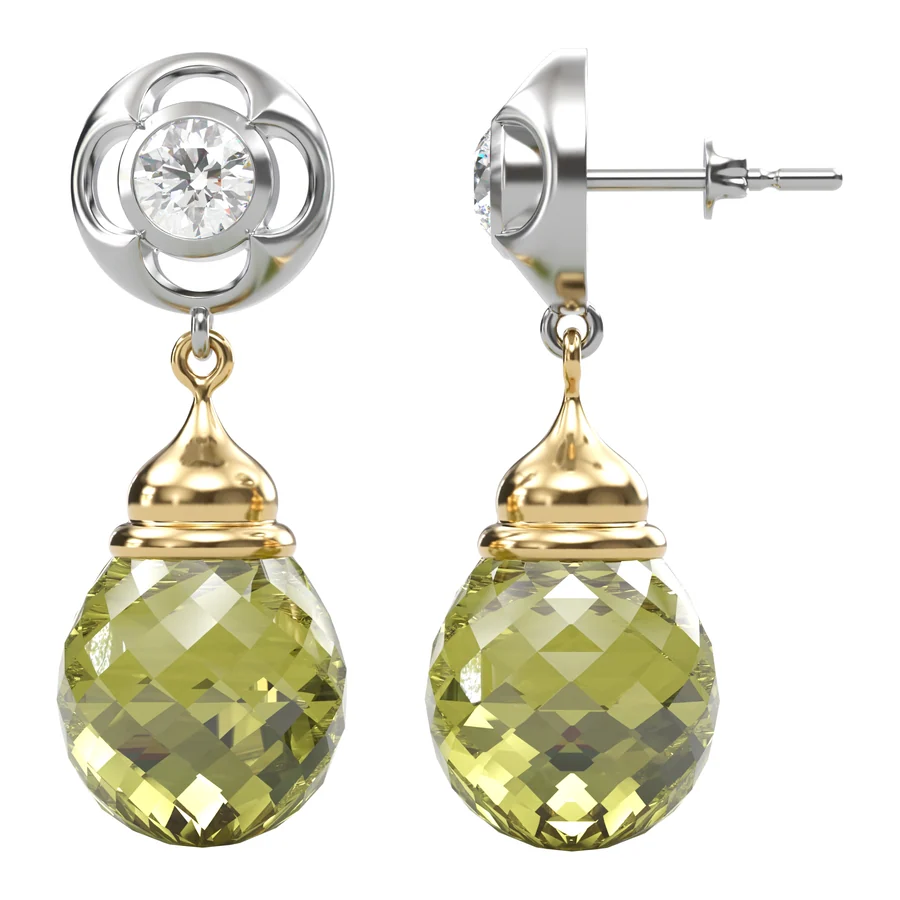
Two hundred and fifty varieties held in-house — these are a few of them, set.
Send a sketch, a reference photograph or a paragraph describing what you have in mind. You will get a costed, itemised response from a person who has read it — usually inside two working days.