 360°
360°

Metals & stones
Six metals and eighteen gem species run through the book. Here is what each of them actually is, and why we use it.
Metals
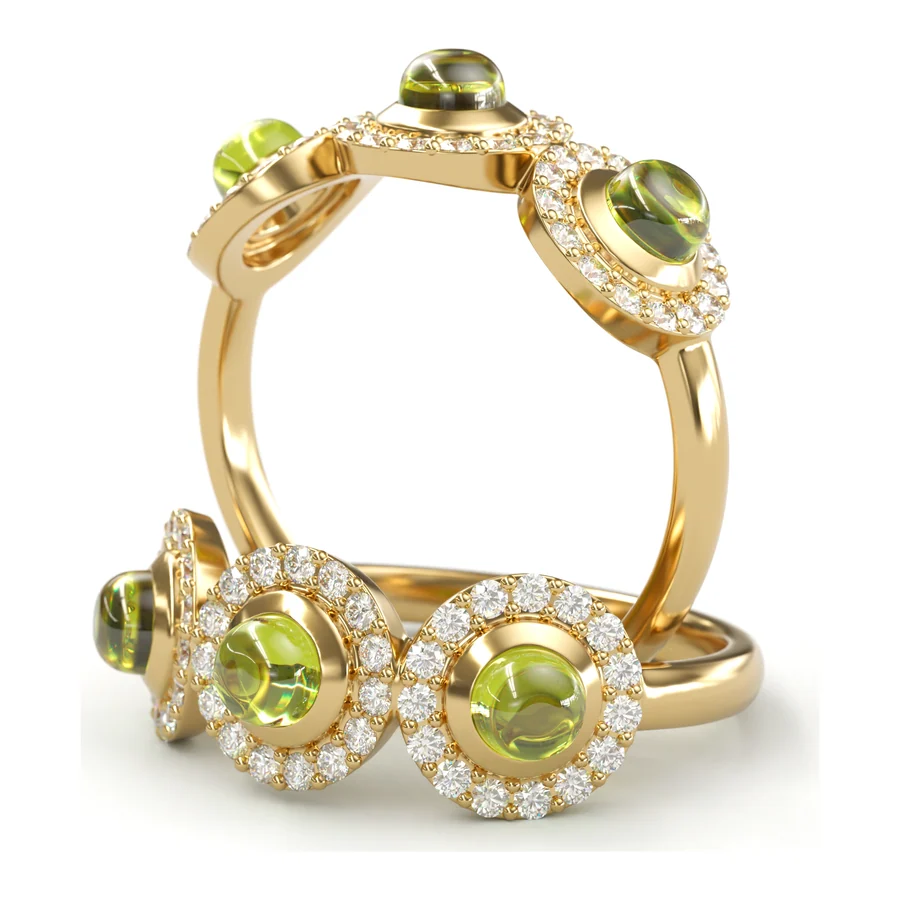
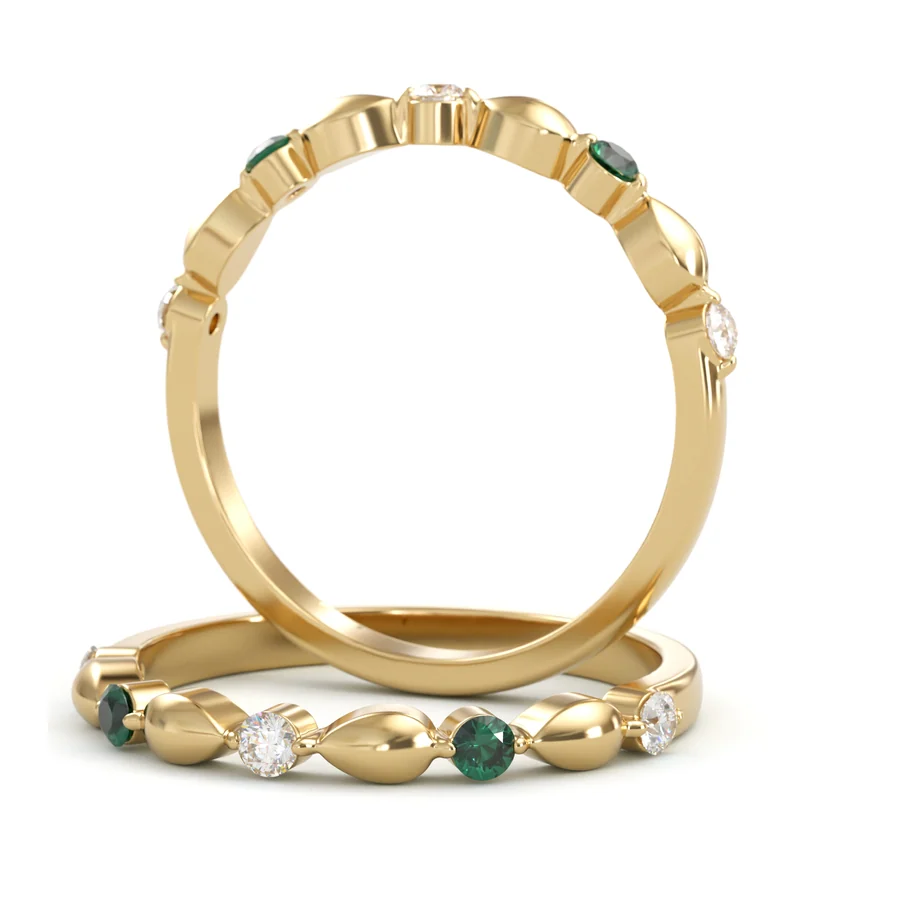
75% fine gold alloyed with silver and copper, giving a warm and slightly deep yellow rather than the brassy tone of higher-copper alloys. Used across the colour-stone book because warm metal flatters warm stones. BIS hallmarked and struck with the house mark.
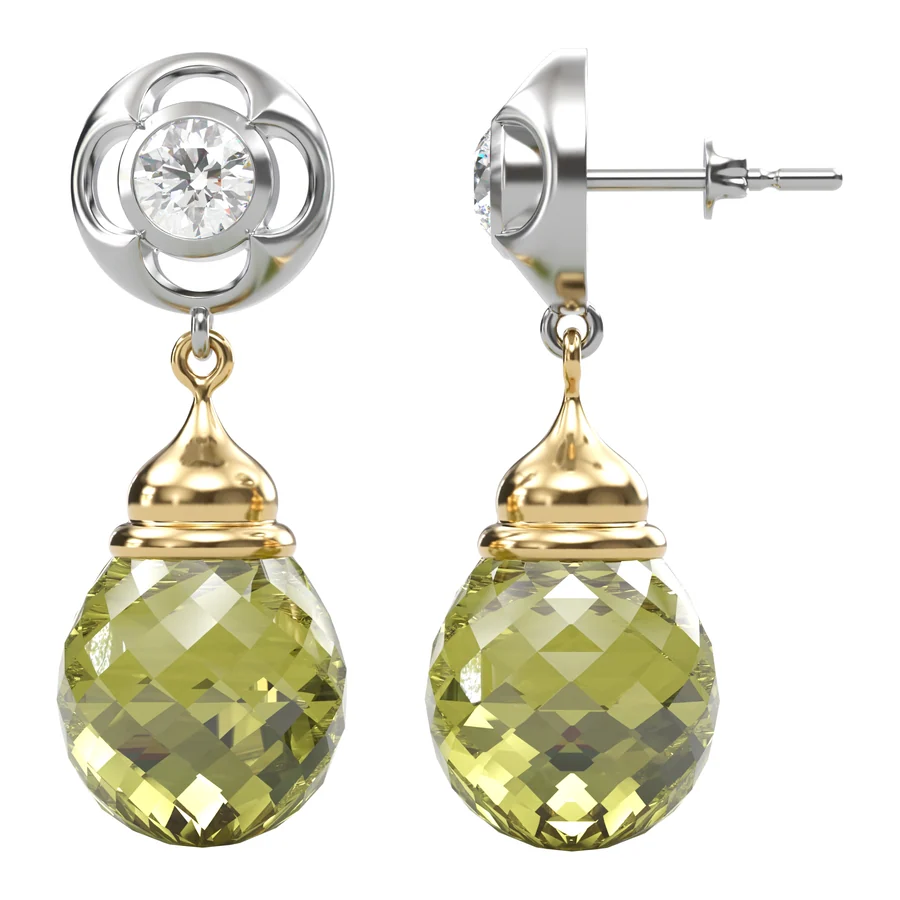
75% fine gold alloyed with palladium, then rhodium plated for whiteness. Rhodium is a surface treatment and wears; re-plating is complimentary for life. Chosen for diamond and cool-toned stones where a warm metal would fight the colour.
75% fine gold with a raised copper content, which produces the pink. Copper is also what makes rose gold marginally harder than yellow — useful on pavé, where the seats need to hold. The colour deepens very slightly with wear.
95% platinum with 5% ruthenium. Denser and more costly than gold, and the only metal here that displaces rather than loses material when scratched — a platinum ring gets a patina, not a groove. The correct choice for a stone you never want to reset.
Electroplated over 18K, deliberately non-reflective so the stones carry all the light. Used on the Nocturne Bezel and the noir studs. Like all plating it will eventually thin; renewal is part of the care programme.
92.5% silver with copper, used for the carved Mosaic Cuff where the scale of the object would make gold both impractical and vulgar. Finished with an anti-tarnish coat; it will still develop a patina, which most clients prefer.
Stones
The four precious stones, plus fourteen others we like enough to defend.
Natural, conflict-free and traceable to the cutting house. Graded by IGI or GIA above 0.30 ct. We buy across D–H colour and IF–SI1 clarity, on the view that a well-cut G/VS2 outperforms a badly-cut D/IF in every light that actually exists.
The house also sets natural black diamond — carbonado — which is opaque from dense graphite inclusions and cut to the same 57-facet geometry as a white brilliant.
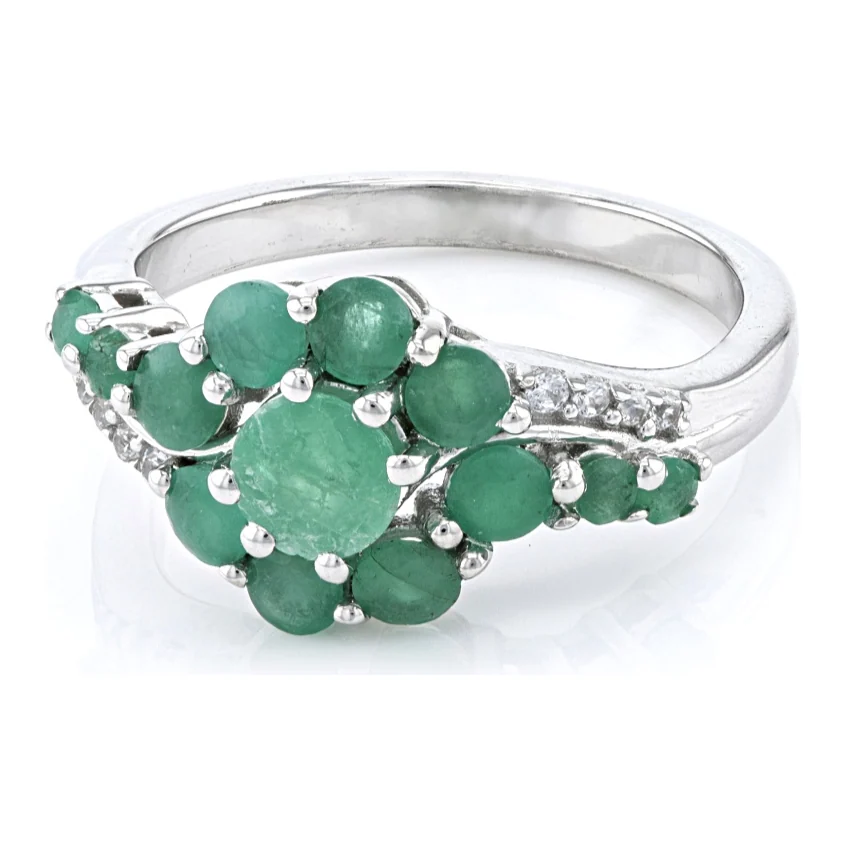
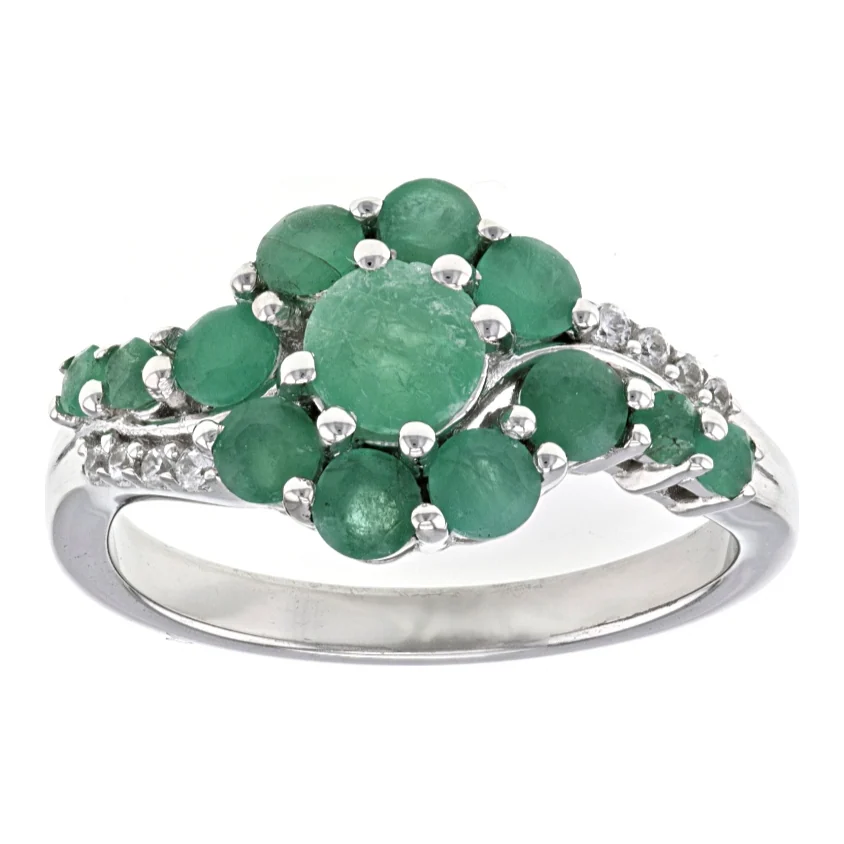
Beryl coloured by chromium and vanadium. Sixteen pieces in the book are built around it. Almost every emerald contains inclusions; the trade calls themjardin, and a stone without them should make you suspicious. Ours are Zambian and Colombian, oiled only — never resin-filled.
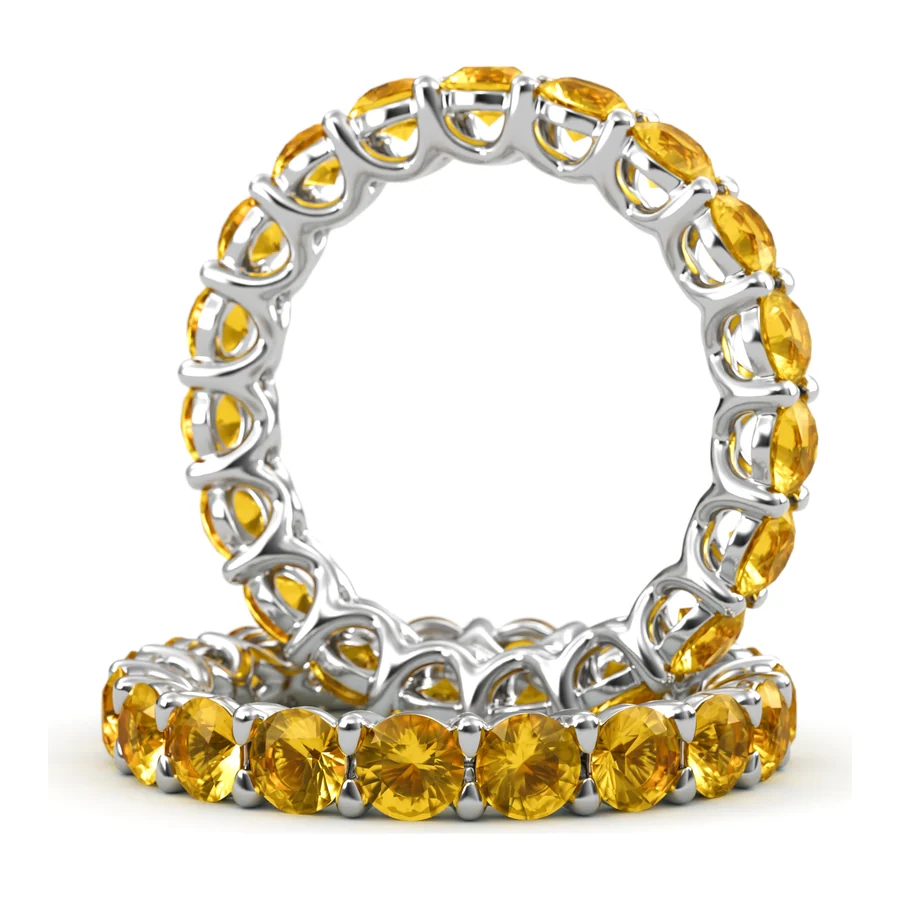
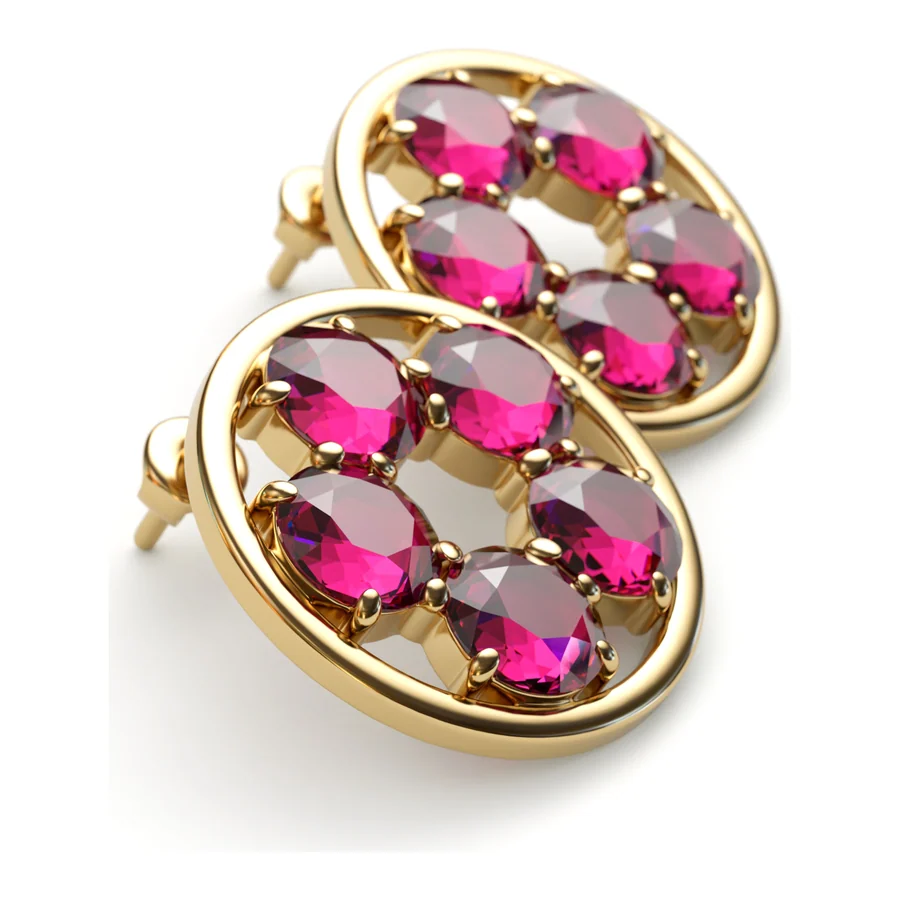
Both corundum: ruby coloured by chromium, sapphire by iron and titanium. At Mohs 9 they are second only to diamond in hardness, which is why we are comfortable setting them in everyday bands. Principally Burmese and Mozambican ruby, Sri Lankan and Madagascan sapphire, heat-treated only.
Found in a single eight-square-kilometre area of Tanzania and nowhere else on earth. Trichroic — it shows blue, violet and burgundy along three different crystal axes — so the cutter’s orientation decision determines the colour you get. Softer than corundum; we set it in cocktail rings rather than daily wear.
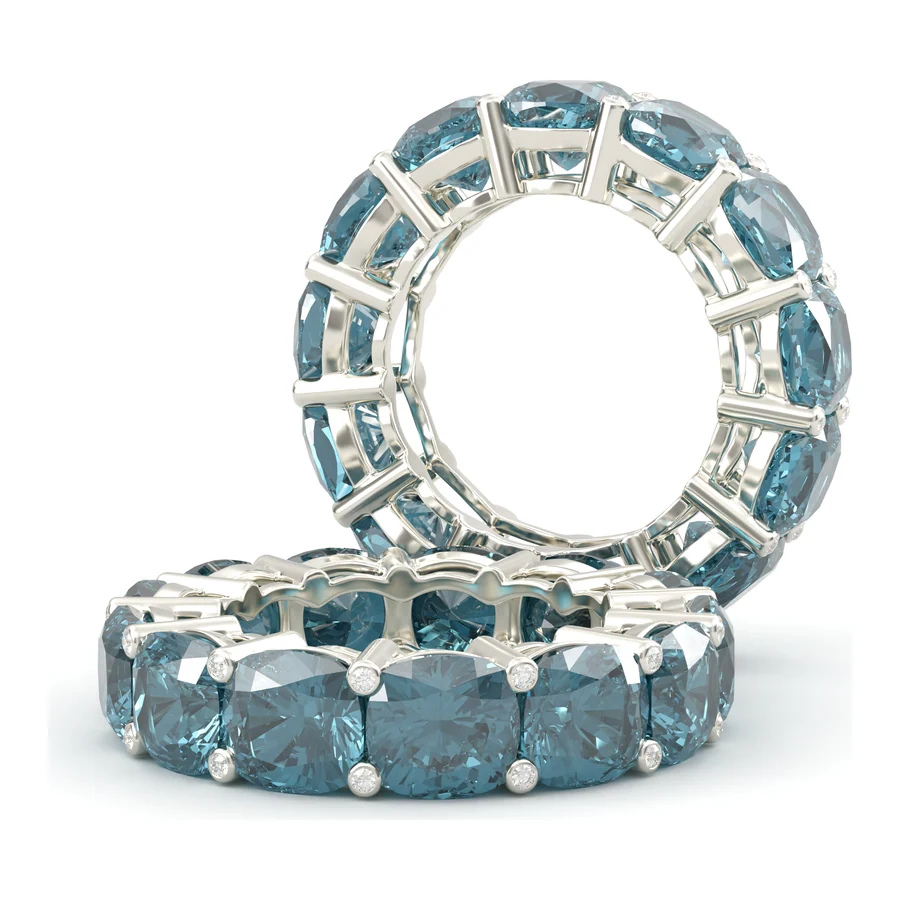
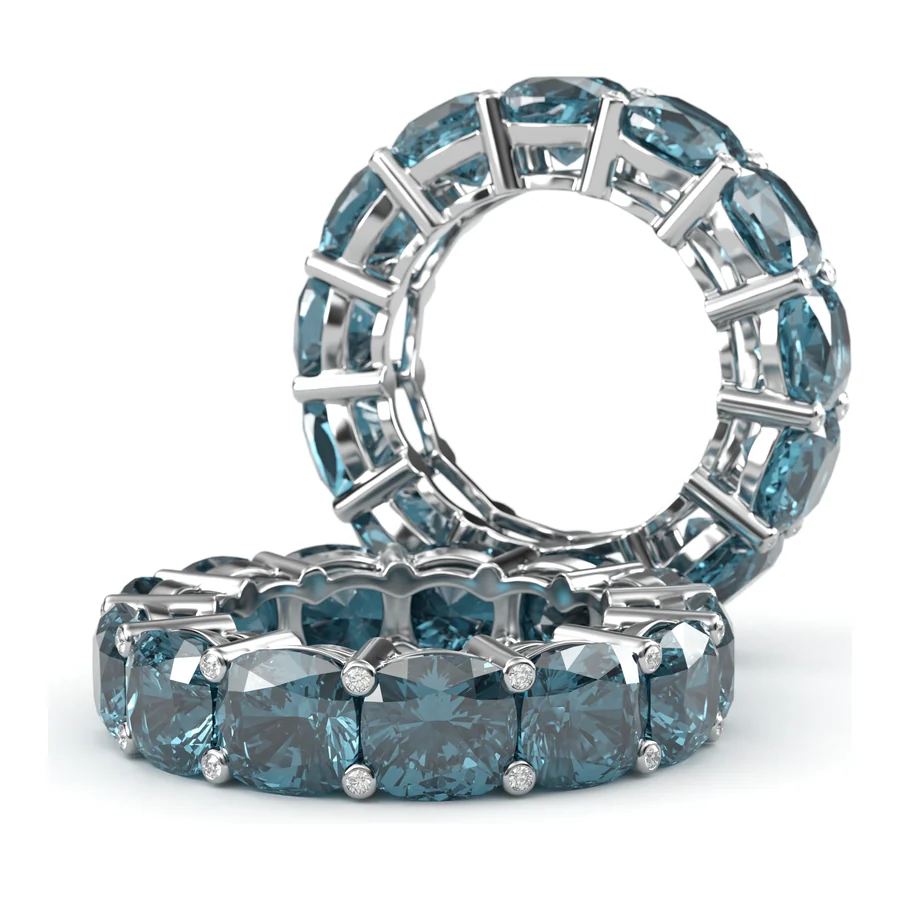
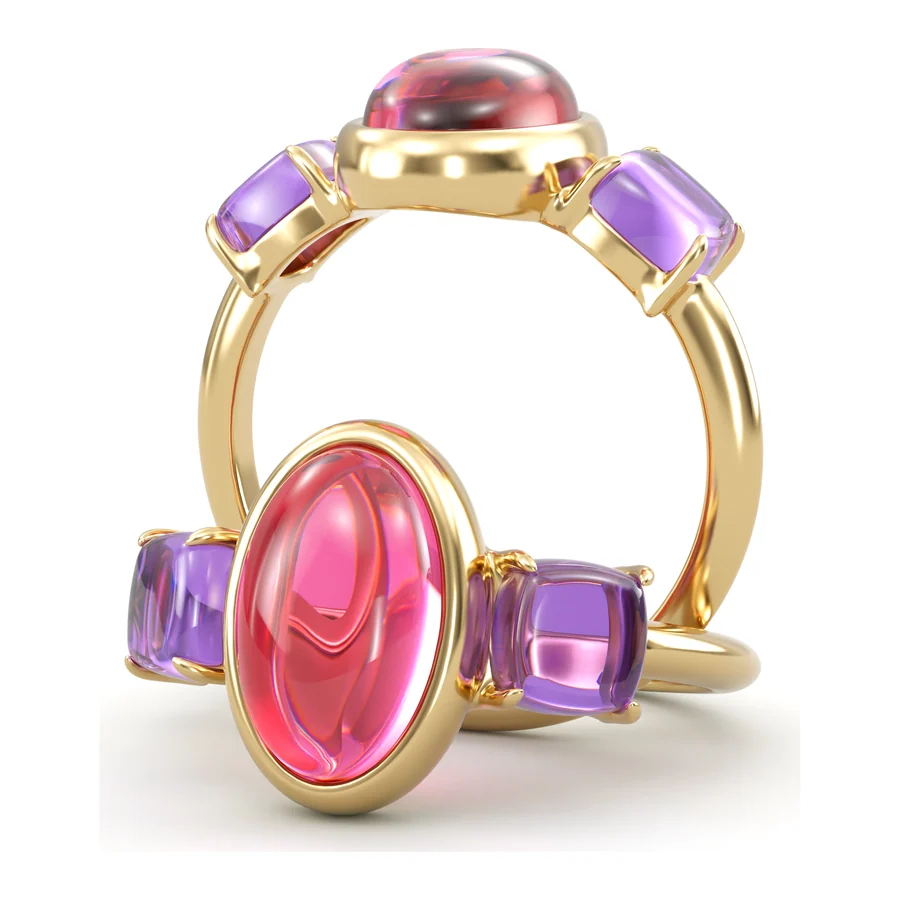
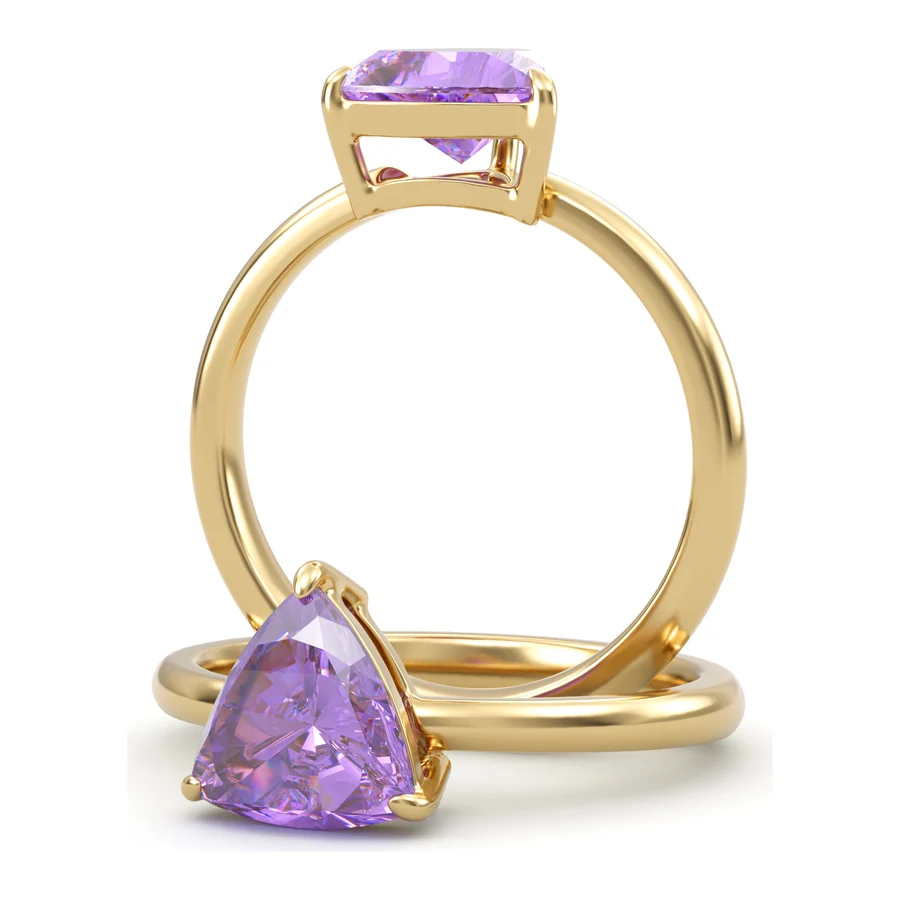
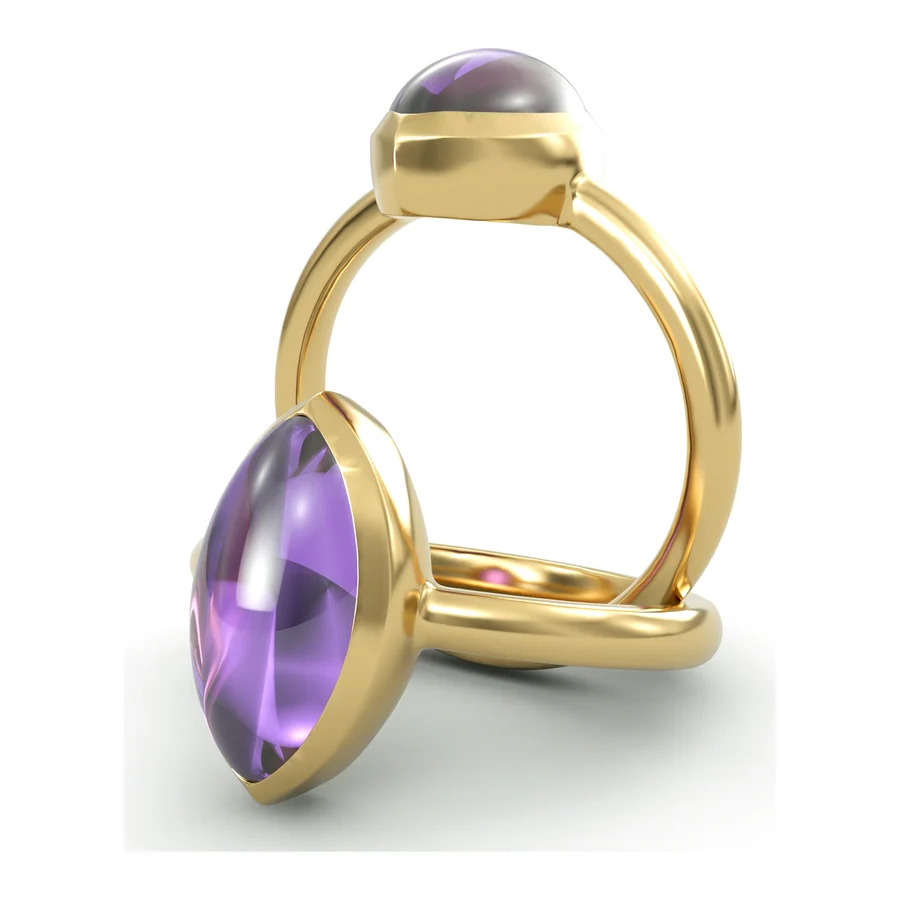
The workhorses of the colour book, and the reason a beautifully-made ANAGARI piece does not have to begin with a diamond. London Blue and Swiss Blue topaz are irradiated and heated — standard, stable and disclosed. Amethyst and citrine are both quartz, separated only by iron content and heat.
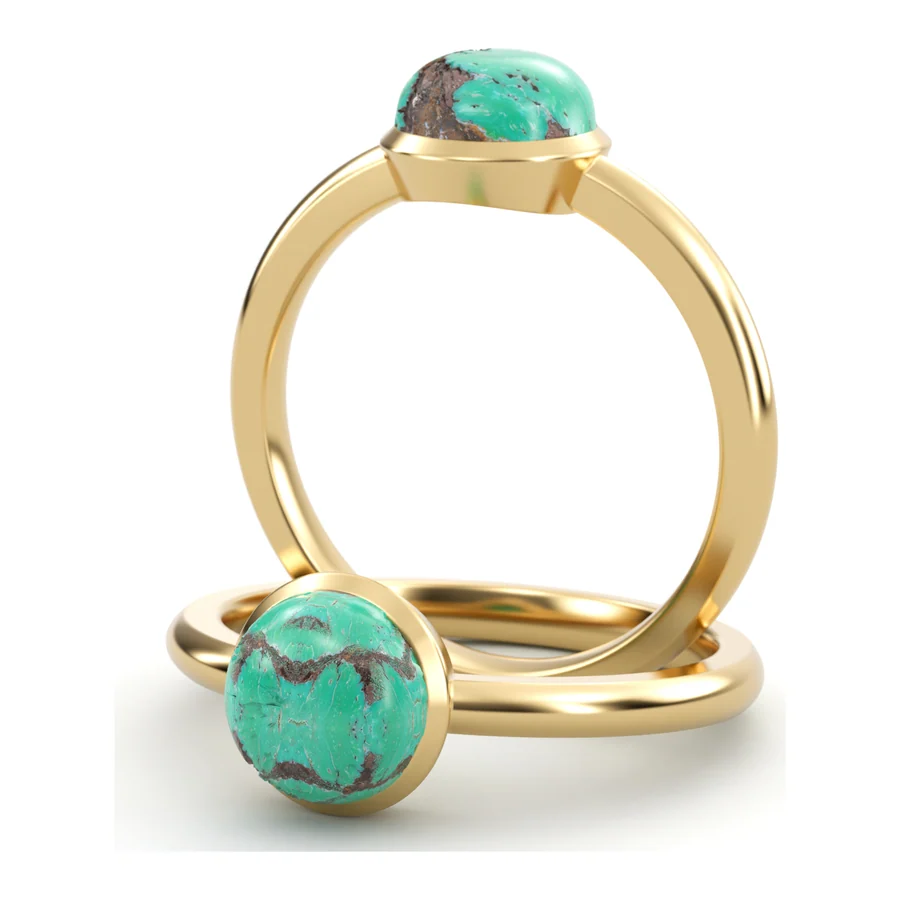
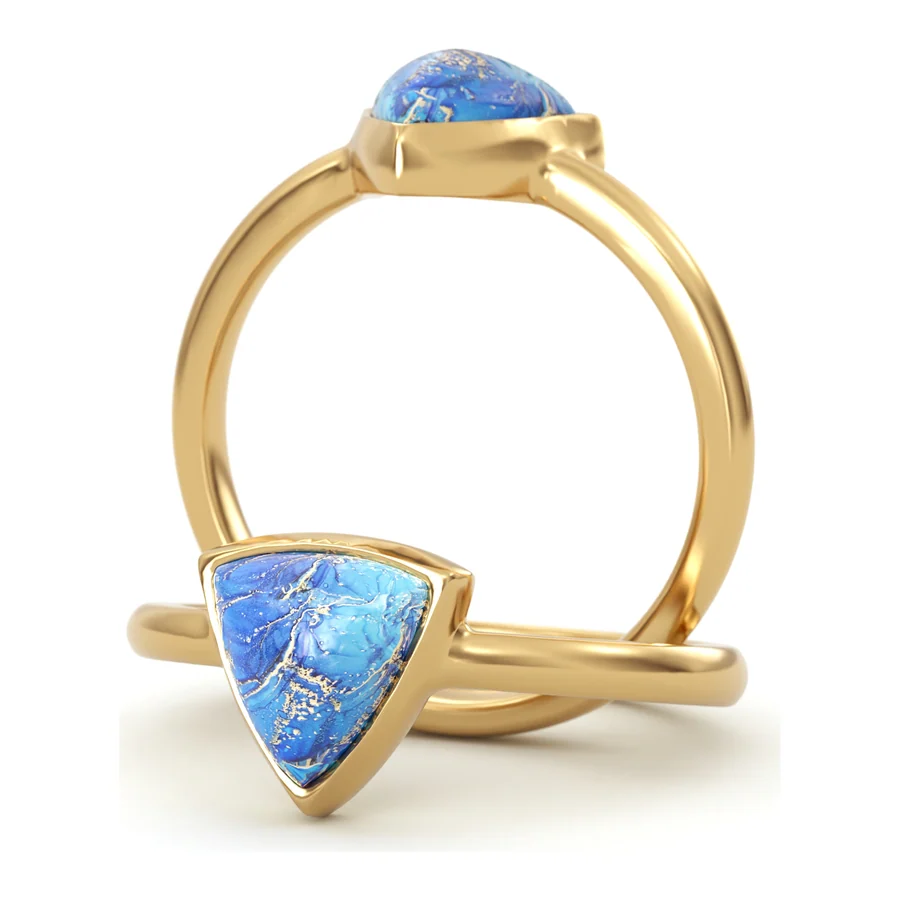
Porous or soft, and therefore set in protective bezels rather than claws. These stones cannot go near ultrasonic cleaning, steam, solvents or fragrance. In return they give you colours no faceted stone can — particularly turquoise with its matrix left visible, where no two pieces are alike.
In the metal
In the metal
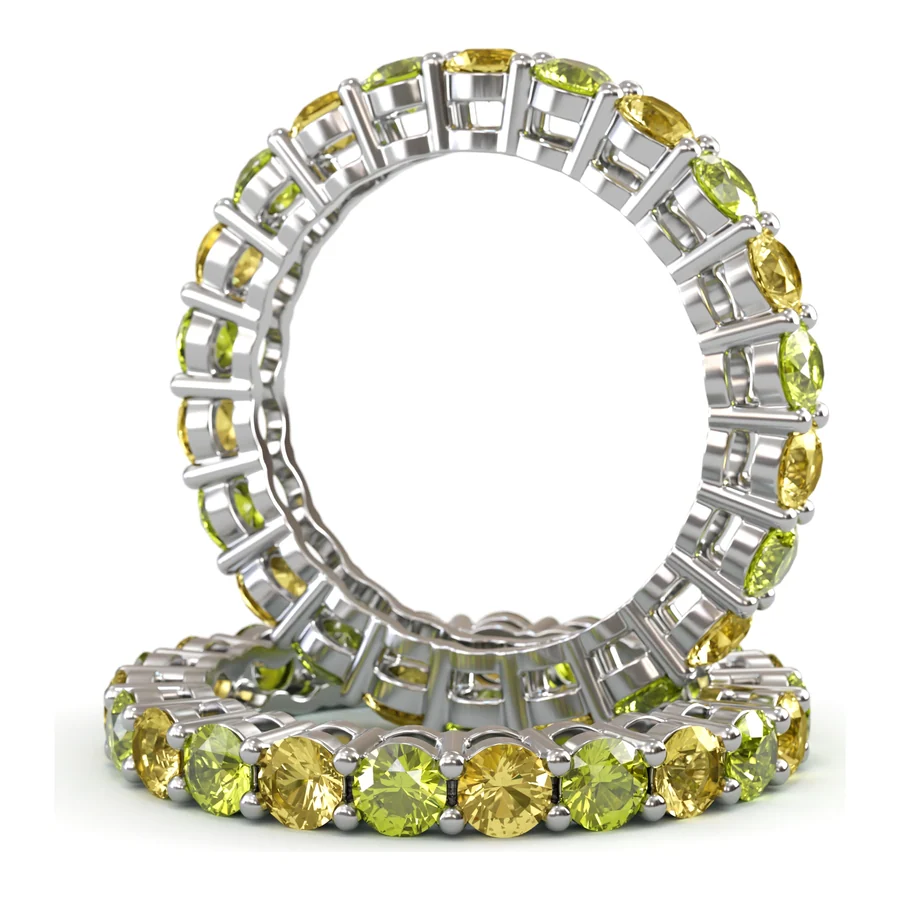
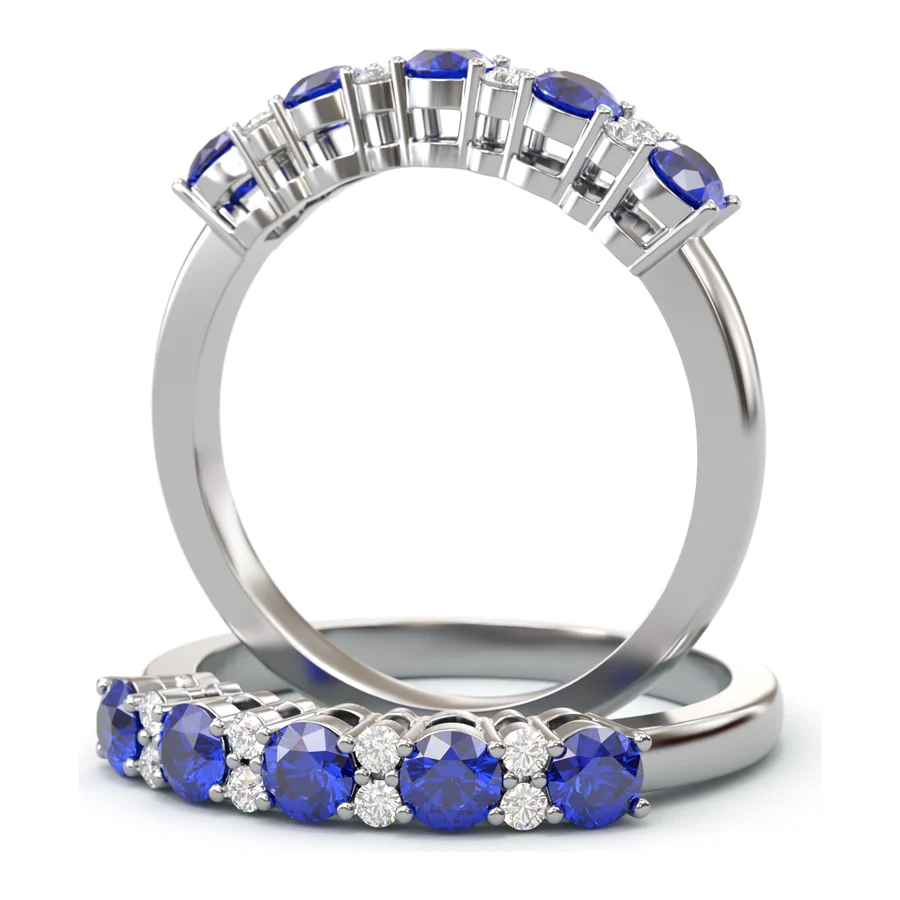
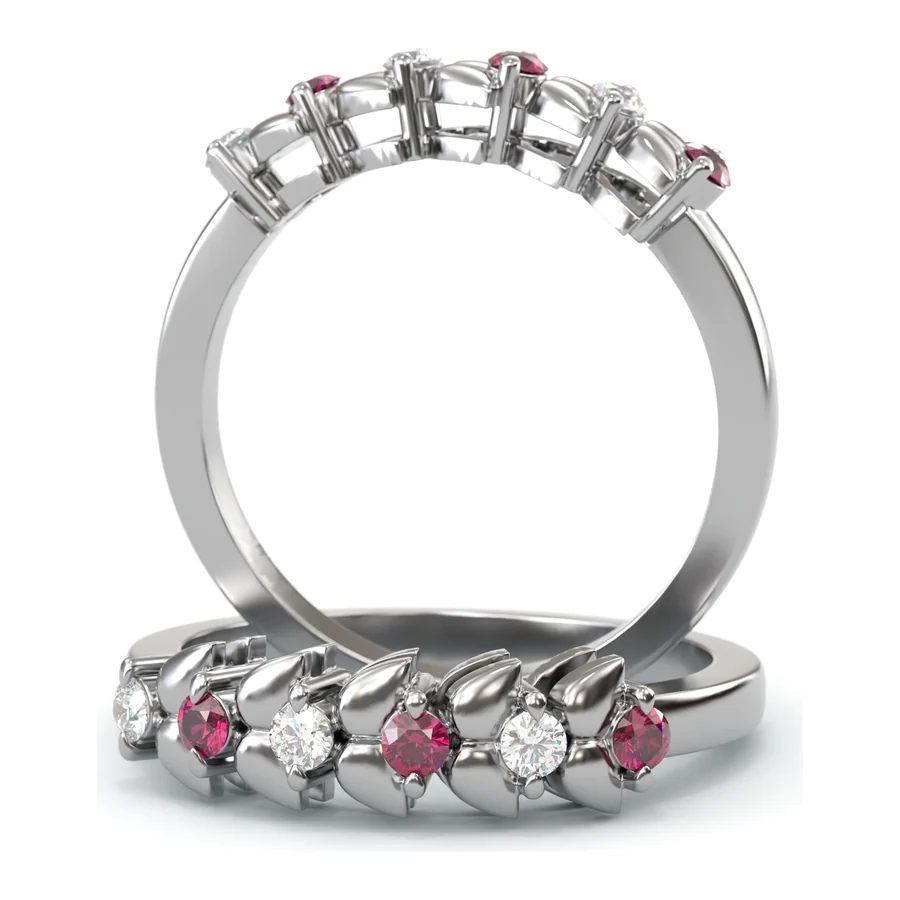
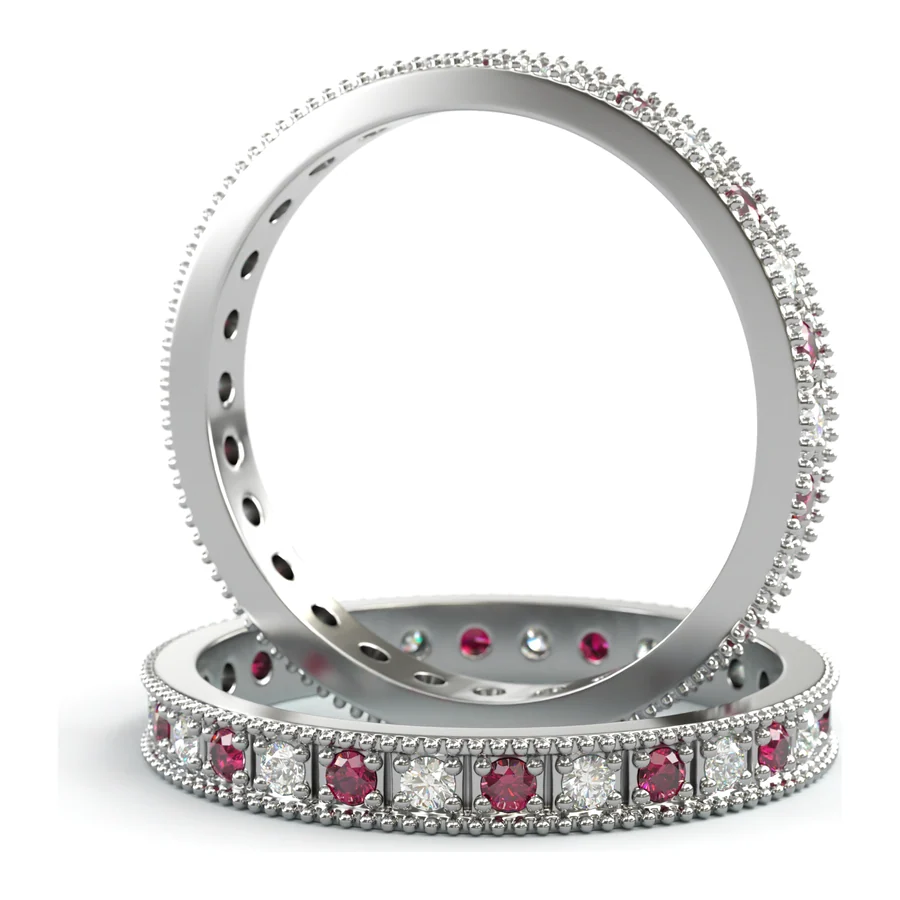
The same alloys and species described above, in finished pieces.
Choose by eye
Certificates describe a stone. They do not tell you what it does under a warm ceiling at eight in the evening.